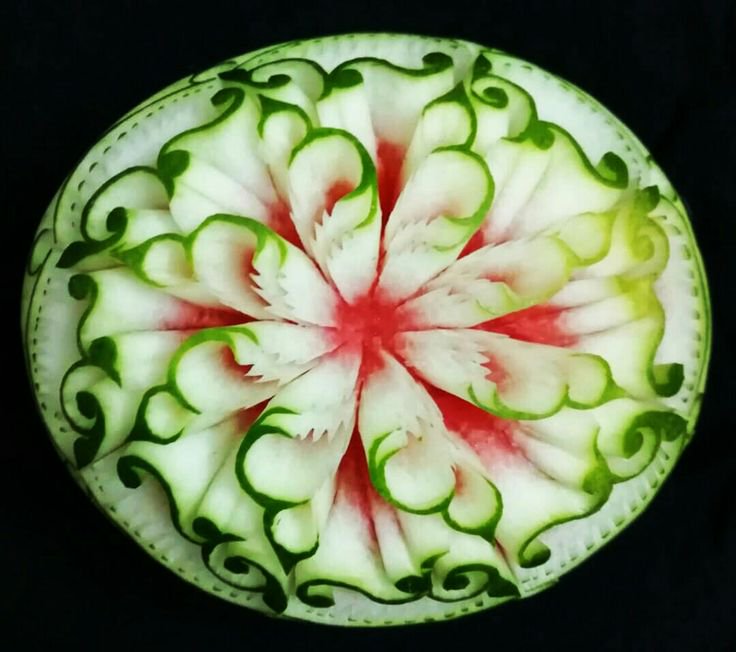
Wettmelons Nude vs Traditional Fruit Art Aesthetics Comparison
Traditional fruit art often focuses on vibrant colors and polished perfection to evoke a sense of abundance. These compositions typically utilize whole specimens to emphasize external textures and flawless skins. In contrast, the wettmelons nude aesthetic explores the raw, internal structural elements of the fruit. By stripping away the protective rind, artists highlight the intricate patterns of seeds and the moist gradient of the flesh. This shift moves the focus from simple culinary representation to a more intimate exploration of organic anatomy and natural beauty within a deconstructed form.
The Visual Language of Minimalist Fruit Photography
Minimalist fruit photography relies on the power of negative space to highlight the inherent beauty of the subject. By stripping away cluttered backgrounds, artists can focus on the geometric precision and organic patterns found in produce. This approach is particularly effective when exploring wettmelons nude aesthetics, where the contrast between the rough rind and the vibrant interior creates a striking visual narrative.
The visual language often utilizes soft, natural lighting to emphasize subtle curves and moisture. Instead of relying on elaborate props, minimalism allows the natural textures of the fruit to speak for themselves. This technique invites the viewer to appreciate the structural details that often go unnoticed in traditional settings. Each slice or whole becomes a study in form, creating a sense of tranquility that feels both modern and timeless. By prioritizing form and color over complex decoration, the photographer transforms a simple ingredient into a sophisticated piece of contemporary art.
Capturing Textures in Modern Melon Art
The allure of modern melon art lies in the stark contrast between the rugged, exterior rind and the succulent, porous interior. Traditional fruit art often focuses on vibrant colors and symmetrical arrangements, but contemporary movements emphasize the tactile quality of the fruit itself. By focusing on wettmelons nude, artists highlight the intricate patterns of the skin and the fibrous structure of the flesh.
This approach allows for a deeper appreciation of natural imperfections that define organic forms. Close-up shots capture the moisture beads on the surface and the matte finish of the sliced rinds, creating a sensory experience that traditional polished still lifes often fail to achieve. This emphasis on raw, unfiltered textures transforms a simple food into a complex study of form and surface, inviting the viewer to consider the raw beauty of the natural world.
How Natural Lighting Enhances Organic Fruit Forms
Natural light serves as a critical tool for revealing the intricate contours of organic forms. When utilizing soft sunlight, artists can highlight the moisture content within the fruit flesh, creating a realistic glow that artificial sources rarely replicate. This interplay of light is particularly effective in wettmelons nude photography, where the focus remains on the curved surfaces and natural rind textures.
By positioning the arrangement near a window, shadows provide a depth that emphasizes the ephemeral nature of the medium. Key elements include:
- High-contrast shadows define the structural ridges of the rind.
- Diffused light enhances the vibrant hues of the interior fruit.
The Role of Negative Space in Modern Composition
Negative space serves as a critical element when defining the organic silhouettes of the fruit. In wettmelons nude photography, the empty areas surrounding the subject allow the viewer to focus on the curves and textures of the rind. This minimalist approach prevents the composition from feeling cluttered, allowing the natural geometry of the melon to breathe. By strategically utilizing void space, the artist emphasizes the structural integrity of the piece. Such balance ensures that the raw form remains the undisputed focal point while creating a sense of modern, sophisticated atmosphere.
Evaluating Raw Detail Against Bold Artistic Choices
The tension between raw detail and bold abstraction defines the modern approach to fruit photography. While traditional still life focuses on the intricate textures of the skin and rind, wettmelons nude aesthetics often prioritize the organic curves of the exposed flesh. This method strips away distracting elements to highlight the vibrant saturation and geometric patterns of the interior. Such contrast allows viewers to appreciate the structural beauty of the subject through a contemporary, minimalist lens.
Why Classic Still Life Remains Relevant Today
Classic still life continues to command respect because it celebrates the inherent beauty of natural form and texture. While modern interpretations like wettmelons nude push boundaries through provocation, the traditional approach focuses on the meticulous interplay of light and shadow across organic surfaces. This enduring artistic style allows viewers to appreciate the raw geometry of fruit without the distraction of contemporary shock value.
The relevance of these classic techniques lies in their ability to provide a grounded foundation for modern creative expression. By prioritizing the physical integrity of the subject, artists create a bridge to historical mastery that resonates across generations. This timeless quality ensures that even as aesthetic trends evolve, the core principles of composition and balance remain a vital part of the visual world.
The Cultural Impact of Minimalist Food Trends
The rise of minimalist food aesthetics has fundamentally altered how audiences perceive organic beauty in digital spaces. By stripping away the ornate arrangements typical of historical still lifes, modern creators focus on the raw geometry and vibrant textures of the produce. This shift reflects a desire for authenticity, where the natural form of the fruit takes center stage without unnecessary artifice.
The trend of wettmelons nude photography exemplifies this movement by highlighting the stark contrast between the rugged rind and the saturated interior. Instead of relying on garnishes, the focus remains on the structural integrity of the fruit itself. This minimalist approach resonates with a contemporary cultural move toward simplicity, encouraging viewers to find value in unadorned nature. As these trends continue to evolve, they bridge the gap between culinary tradition and modern visual storytelling, proving that simple compositions often carry the most profound visual impact in the modern landscape.
Symbolism of Abundance in Western Art
In Western art history, the representation of fruit often serves as a potent symbol of prosperity and the bounty of nature. Traditional still lifes frequently utilized overflowing harvests to signify wealth and the fleeting nature of earthly pleasures. When modern creators explore the concept of wettmelons nude, they reinterpret this legacy by highlighting the raw, organic textures of the fruit itself. By stripping away decorative garnishes, the artist focuses on the internal vitality and vibrant colors that mirror the lushness of ancient harvest paintings. This aesthetic approach bridges the gap between classical symbolism and contemporary minimalism, suggesting that true abundance lies in the unadorned form of the natural world. The viewer is invited to appreciate the structural beauty and the geometric patterns of the flesh, reinforcing the timeless theme of fertility through a modern lens.
Technical Requirements for High Resolution Fruit Photography
Capturing the intricate details of wettmelons nude photography requires specialized equipment to manage texture and light reflection. A high-resolution full-frame camera is essential for preserving the vibrant patterns of the rind and the glistening moisture of the flesh. Lighting plays the most critical role; soft, diffused light prevents harsh shadows while highlighting the organic curves of the fruit.
- Use a macro lens for extreme close-ups of seeds and fiber structures.
- Employ a tripod to ensure absolute sharpness during long-exposure shots.
- Shoot in RAW format to maintain color accuracy during post-processing.
technical steps ensure the final aesthetic remains crisp and visually striking.
Integrating Fruit Art in Contemporary Interior Design
Integrating fruit art into modern living spaces requires a careful balance between organic forms and sophisticated curation. When incorporating wettmelons nude photography, the imagery serves as a bold focal point that challenges traditional notions of still life. These pieces often function exceptionally well in minimalist environments where the vibrant textures and sculptural curves of the fruit contrast against clean lines and neutral palettes.
When displaying these works, consider the impact of scale and framing. Large-scale prints can transform a dining area into a conversation starter, highlighting the raw beauty of nature. Alternatively, a series of frames arranged on a gallery wall allows for a diverse visual journey without overwhelming the space. By treating fruit art as fine art rather than mere decoration, designers can elevate a standard room into a gallery-like atmosphere. This approach ensures that the artwork remains a centerpiece, complementing the overall architectural harmony of the contemporary home.
Choosing the Right Style for Your Collection
Selecting the right direction for your gallery requires an understanding of the atmosphere you wish to cultivate within your space. If you prefer a sense of classic elegance, traditional fruit art offers a vibrant display of abundance and timeless charm. However, for those seeking a more provocative and avant-garde statement, wettmelons nude aesthetics provide a unique edge. This style utilizes the organic curves and textures of the fruit to create sophisticated visual narratives that challenge conventional boundaries.
Consider the following factors before making your final selection: - Lighting: Traditional arrangements often benefit from warm, natural light, while modern carvings may benefit from dramatic spotlights to highlight form. - Emotional impact: Decide whether you want a feeling of comfort or a bold conversation starter.
Ultimately, your choice should reflect your personal artistic philosophy. A curated collection serves as a mirror of your interior identity, ensuring that every piece contributes harmoniously to the overall aesthetic of your home.