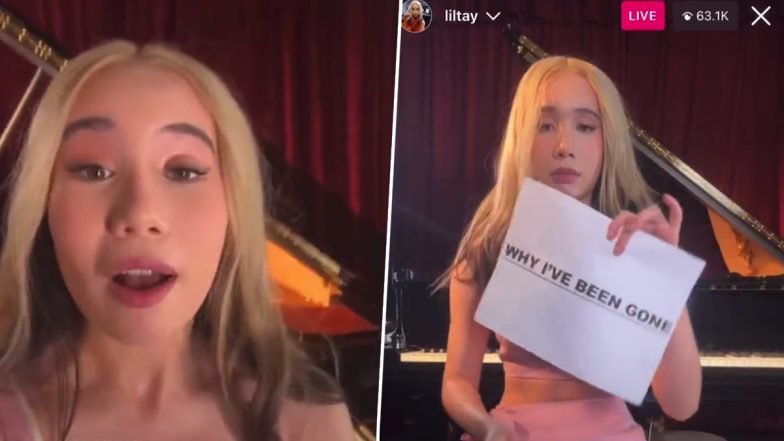
Lil Tay Public Persona vs Viral Adult Content Rumors
Lil Tay rose to global fame through high-energy videos characterized by displays of wealth and aggressive bravado. This provocative persona created a massive digital footprint but also invited intense scrutiny and online speculation. As she grew older, unfounded rumors regarding lil tay porn began to circulate across social media platforms. These claims often lack credible evidence and stem from the sensational nature of her early fame. Navigating the line between her curated public image and these malicious allegations remains a central challenge for her brand legacy.
The Evolution of the Youngest Rapper Brand
The rise of Lil Tay began with a highly curated persona defined by extreme bravado and displays of excessive wealth. Initially, the brand was built on shock value, featuring a young child flexing luxury items that captured the attention of a global audience. However, as the years passed, the narrative shifted from youthful financial boasting to a more complex struggle for relevance and authenticity. This transition created a vacuum of information that internet forums quickly filled with speculative claims.
Despite the efforts to pivot toward legitimate music and fashion ventures, the digital footprint remains plagued by unfounded rumors of lil tay porn gaining traction across various social media platforms. These claims often circulate without evidence, designed to capitalize on the notoriety surrounding the figure's early career and controversial path to fame. The evolution of this brand demonstrates how quickly a viral identity can be deconstructed and misrepresented by online audiences seeking scandal over the original content that sparked the interest.
How Social Media Platforms Created Global Fame
The rise of Lil Tay was fundamentally linked to the mechanics of short-form video platforms. By utilizing high-energy clips and provocative shock value, the brand bypassed traditional industry gatekeepers to reach a global audience overnight. This rapid ascent relied on a cycle of constant engagement where every controversial statement pushed the content into new feeds through algorithmic recommendation.
However, the same algorithms that fueled this fame also created fertile ground for misinformation. As the search volume grew, malicious actors began exploiting the name to drive traffic to deceptive sites. Consequently, baseless rumors regarding lil tay porn gained traction simply because the keywords aligned with the sensationalist nature of viral content. This phenomenon highlights how digital platforms can simultaneously amplify a public figure while exposing them to harmful, fabricated narratives that are difficult to erase once established.
Why Digital Algorithms Drive Viral Controversies
Digital algorithms are designed to prioritize engagement, often favoring sensationalism over factual accuracy. When a figure like Lil Tay experiences massive growth, recommendation engines amplify controversial claims to keep users on the platform. This mechanism creates a feedback cycle where baseless rumors regarding lil tay porn gain traction simply because they generate high click volumes.
Algorithms cannot distinguish between legitimate news and malicious clickbait; they simply push trending topics wider audiences. Consequently, the technical architecture of the internet inadvertently fuels negative narratives, making scandalous speculation appear highly profitable for those chasing viral trends.
The Role of Clickbait in Search Results
Search engines often prioritize high-volume queries, which inadvertently fuels sensationalist narratives. When users search for controversial terms like lil tay porn, algorithms frequently surface misleading headlines designed to drive traffic. This process creates a feedback loop where misinformation gains visibility simply because people are searching for the topic. By exploiting public curiosity, clickbait platforms ensure that false rumors remain relevant indefinitely. Consequently, the digital landscape becomes cluttered, making it difficult for audiences to distinguish between legitimate news updates and fabricated stories intended for engagement.
How Fake Videos Spread Misinformation Online
Manipulated media often exploits trending personalities to drive traffic to deceptive websites. Malicious actors use deepfake technology to create misleading lil tay porn content that lures viewers into clicking links. These fabricated clips spread rapidly across social media platforms, fueling misinformation before moderators can intervene. By the time the truth emerges, the viral damage to a reputation persists, making it difficult for individuals to clear their names from false digital footprints.
Analyzing the Reality of Adult Content Allegations
The persistence of rumors regarding adult content often stems from the prevalence of click and deceptive digital media. In many cases, claims about lil tay porn involve fabricated deepfake technology or edited clips designed to drive traffic to malicious websites. There is no credible evidence to support the assertion that the individual has participated in the adult industry.
These allegations typically exploit the shock value of her public persona to generate sensationalist engagement. By leveraging high-traffic keywords, bad actors spread misinformation that circulates across platforms before it can be debunked. Understanding that these videos are synthetic constructions is essential for navigating the modern internet, where a person's reputation is frequently targeted by unverified and harmful content.
The Impact of Internet Culture on Youth
The evolution of internet culture has created volatile environments where young influencers are subjected to extreme scrutiny. When a personality gains massive fame online, the digital landscape frequently shifts toward sensationalist narratives that prioritize engagement over accuracy. This environment fosters the rapid spread of baseless rumors regarding lil tay porn, which often circulate without any evidence or factual basis. Such allegations are typically driven by algorithms that reward controversial content, regardless of the truth behind the claims being made.
Furthermore, the commodification of fame often blurs the line between public performance and private life. Young creators often find themselves as targets of coordinated campaigns designed to deconstruct their image or force a narrative that fits specific online tropes. Understanding these dynamics is crucial for navigating the modern web, where misinformation can travel faster than any official correction. Maintaining a critical perspective when engaging with unverified claims is essential to prevent the lasting impact of harmful digital trends.
Distinguishing Between Marketing Tactics and Reality
Distinguishing between a calculated digital brand and actual reality is difficult when navigating modern social media landscapes. Many internet personalities utilize provocative statements or shock value to maintain engagement and drive traffic to their platforms. In cases involving high-profile influencers, rumors regarding lil tay porn often stem from sensationalist headlines designed to generate clicks rather than reflecting factual events.
These narratives are frequently amplified by third parties seeking to exploit a celebrity's fame through deceptive content. It is essential to recognize that a public persona is often a performance tailored for a specific algorithm. While the online image may appear aggressive or controversial, these tactics rarely reflect the private life of the individual. Understanding these underlying marketing strategies helps viewers differentiate between manufactured stunts and the misinformation that circulates across viral forums.
Legal Implications of Unverified Content Sharing
Sharing unverified claims regarding viral adult content carries significant legal risks for creators and distributors. When platforms or individuals circulate rumors about lil tay porn without evidence, they risk potential defamation lawsuits and privacy violations. These digital actions often involve the distribution of non-consensual imagery or forged media, which is illegal in many jurisdictions.
Legal experts emphasize that spreading deceptive narratives can lead to permanent platform bans and financial penalties. Entities must verify sources meticulously to avoid being complicit in harmful misinformation that damages an individual's reputation.
Protecting Young Influencers from Digital Exploitation
Protecting young influencers from digital exploitation requires a multifaceted approach involving platform accountability and legal safeguards. As young creators gain rapid fame, they often become targets for malicious campaigns spreading baseless rumors such as lil tay porn. These unverified claims are frequently designed to damage reputations or exploit minors who are still navigating the spotlight. To combat this, social media platforms must implement stricter moderation algorithms to identify and remove non-consensual harmful content before it reaches a wide audience. Furthermore, guardians and managers play a critical role in monitoring digital footprints and ensuring that young stars understand the risks associated with online misinformation.
Legal frameworks must evolve to hold those who profit from distributing fabricated adult material strictly accountable. By prioritizing safety over engagement metrics, the digital industry can create a healthier environment for emerging talent. Protecting these individuals ensures that their pursuit of fame does not lead to permanent vulnerability against predatory online behavior.
Future Trends in Digital Celebrity Management
The landscape of digital celebrity management is shifting toward proactive protection against the rapid spread of misinformation. As artificial intelligence becomes more sophisticated, management teams must move beyond reactive damage control to prevent the circulation of harmful rumors like lil tay porn allegations. Future strategies will likely involve the use of advanced verification tools to identify and debunk fraudulent content before it gains viral traction.
Legal frameworks are also expected to evolve, providing stronger recourse against platforms that host non-consensual manipulated media. Agencies will increasingly prioritize digital footprint audits to ensure that young influencers are shielded from deepfakes and malicious smear campaigns. The goal is to create a resilient environment where transparency and rapid de-platforming of illicit content are the standards. By anticipating these technological shifts, the industry can better safeguard the reputations of creators who navigate the volatile nature of modern internet fame.